Knowledge you can
feel in your body.
Clear, considered essays for better movement, smarter recovery, and plant-powered training.
- 01
Protein Distribution and Anabolic Windows: Optimizing Muscle Protein Synthesis Across Daily Feedings
▲ 2 ↗ - 02
Biomechanically Optimized Compound Lifting: Maximizing Hypertrophy and Joint Health Through Kinetic Chain Alignment
— ↗ - 03
Deload Week Programming and Fatigue Management: Sustaining Long-Term Adaptation Through Planned Active Recovery
▲ 1 ↗ - 04
Vitamin B12 Supplementation and Neuromuscular Efficiency: Safeguarding Nerve Conduction in Plant-Based Athletes
NEW ↗ - 05
Bioenergetic Pathways and Intramuscular ATP Resynthesis: Optimizing Fuel Selection Across Training Modalities
▲ 3 ↗ - 06
Deep Tissue Recovery and Myofascial Release: Integrating Foam Rolling and Percussive Therapy for Enhanced Flexibility
— ↗ - 07
Hypertrophy Volume Landmarks: Navigating Minimum Effective Volume, Maximum Adaptive Volume, and Maximum Recoverable Volume
▲ 1 ↗ - 08
Sleep Hygiene and Circadian Optimization: Maximizing Growth Hormone Secretion and Neuromuscular Recovery
▲ 4 ↗
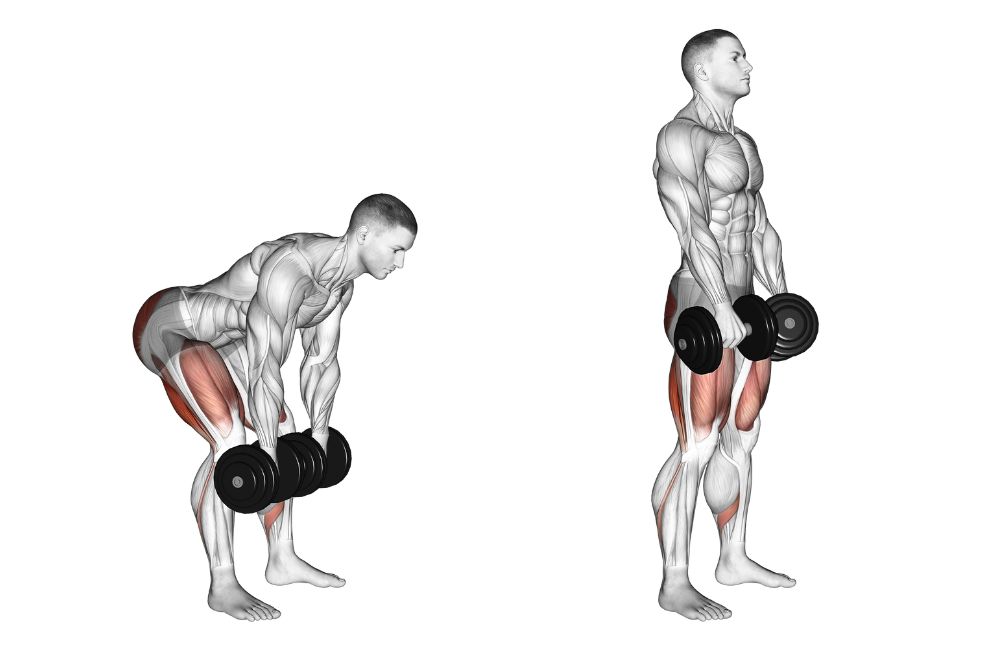
Biomechanically Optimized Compound Lifting: Maximizing Hypertrophy and Joint Health Through Kinetic Chain Alignment
In the contemporary landscape of evidence-based strength and conditioning, the pursuit of muscle hypertrophy and functional longevity has shifted dramatically away from isolated, machine-based isolation movements toward…
Read article ↗
Advanced Hypertrophy Through Lengthened Partials: Capitalizing on Muscle Growth at Long Muscle Lengths
The conventional wisdom surrounding resistance training dogma long dictated that exercises must be performed through a complete, full range of motion (ROM) from full extension to complete contraction.
Read article ↗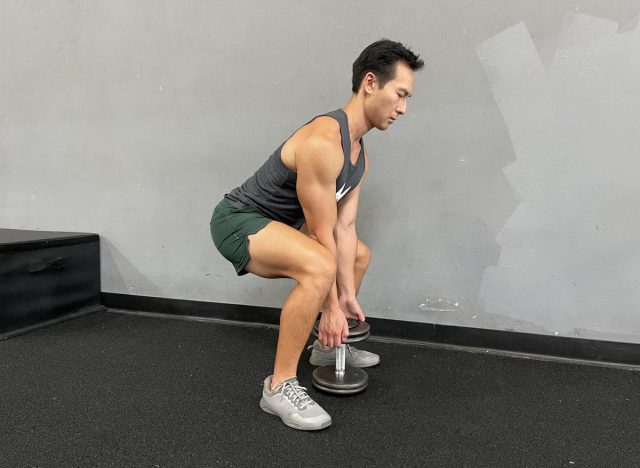
Unilateral Training Dynamics: Correcting Asymmetries, Enhancing Core Stability, and Overcoming Bilateral Deficits
In the architecture of comprehensive fitness programming, bilateral exercises such as barbell squats and conventional deadlifts have historically taken center stage.
Read article ↗
Mastering the Execution of Functional Core Stability: Moving Beyond Traditional Crunches to Anti-Movement Protocols
For decades, public fitness culture equated core training with endless repetitions of floor crunches, sit-ups, and twisting trunk movements.
Read article ↗
Optimizing Mobility and Active Range of Motion: Dynamic Warm-Up Protocols Versus Static Stretching Paradigms
The traditional pre-workout routine of holding static stretches for prolonged periods has been thoroughly re-evaluated in modern sports science.
Read article ↗
Periodization and Intensity Modulation: Navigating Linear, Undulating, and Block Periodization for Plateau Breakdown
One of the most common pitfalls encountered by recreational lifters and serious athletes alike is the stagnation of physical progress, commonly known as a plateau.
Read article ↗
Scapular Mechanics and Overhead Pressing Integrity: Safeguarding Shoulder Health During Vertical Push Movements
The shoulder complex is the most mobile joint in the human body, relying heavily on a delicate, intricate interplay of muscular stabilization rather than deep bony socket containment for structural integrity.
Read article ↗
Eccentric Overload and Negative Repetitions: Harnessing Maximal Muscle Damage for Accelerated Hypertrophy
In traditional resistance training, equal emphasis is placed on the lifting phase (concentric action) and the lowering phase (eccentric action) of a movement.
Read article ↗
Post-Activation Potentiation (PAP) Protocols: Maximizing Power Output and Explosive Strength Through Complex Training
In the realm of athletic conditioning, explosive power and rate of force development (RFD) are critical determinants of success in sprinting, jumping, and change-of-direction sports.
Read article ↗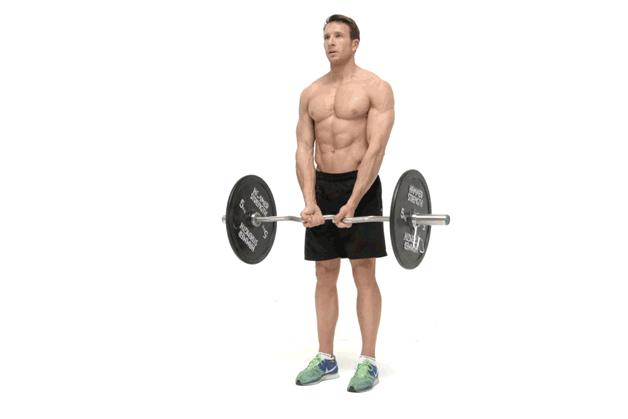
Autoregulatory Progressive Resistance Exercise (APRE): Moving Beyond Fixed Percentages for Optimal Daily Load Management
Traditional resistance training programs typically rely on static, percentage-based loading charts calculated from an athlete's one-rep max (1RM) determined weeks or months prior.
Read article ↗
Deep Tissue Recovery and Myofascial Release: Integrating Foam Rolling and Percussive Therapy for Enhanced Flexibility
In the modern paradigm of sports medicine and athletic recovery, optimizing tissue quality and joint range of motion extends far beyond static stretching.
Read article ↗
Neuromuscular Activation and Dynamic Potentiation: Optimizing Intramuscular Coordination for Peak Force Development
Before an athlete can express maximal strength, power, or speed on the platform or field, the central nervous system must successfully recruit and synchronize high-threshold motor units.
Read article ↗
Grip Strength Mechanics and Kinetic Chain Transmission: Enhancing Lifting Performance Through Neural Overspill
In the architecture of heavy resistance training, grip strength is frequently treated as an isolated accessory attribute, addressed merely through wrist curls or passive dead hangs at the end of a workout.
Read article ↗
Thoracic Spine Mobility and Rotational Efficiency: Unlocking Upper Body Rotation and Relieving Lumbar Stress
In human biomechanics, the thoracic spine (mid-back) is anatomically engineered to possess a high degree of rotational and extension mobility, whereas the lumbar spine (lower back) is designed primarily for stability…
Read article ↗
Breathing Mechanics and Intra-Abdominal Pressure: Engineering Core Stability Through Diaphragmatic Bracing
Breathing is an involuntary autonomic function essential for sustaining human life, yet in the context of heavy resistance training and athletic performance, it becomes a sophisticated mechanical tool for spinal…
Read article ↗
Ankle Dorsiflexion Mechanics and Squat Kinematics: Eliminating Lower Limb Compensation Patterns
The ankle joint complex serves as the foundational cornerstone of the lower body kinetic chain.
Read article ↗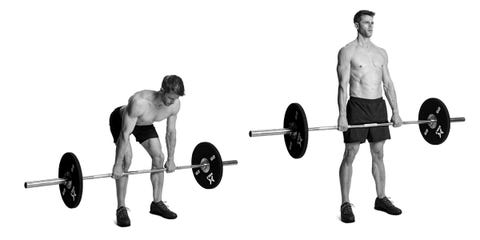
Hypertrophy Volume Landmarks: Navigating Minimum Effective Volume, Maximum Adaptive Volume, and Maximum Recoverable Volume
In the pursuit of maximum muscle hypertrophy, one of the most persistent questions faced by bodybuilders and fitness enthusiasts is determining the precise amount of exercise volume required to stimulate growth without…
Read article ↗
Rotator Cuff Stabilization and Scapulohumeral Rhythm: Bulletproofing the Shoulder Joint Against Heavy Loading
The human shoulder is an engineering marvel of mobility, sacrificing bony stability in exchange for an extraordinary three-dimensional range of motion.
Read article ↗
Gluteal Activation and Hip Biomechanics: Unlocking Posterior Chain Power and Overcoming Reciprocal Inhibition
In the modern sedentary lifestyle, individuals spend upwards of eight to ten hours a day sitting in chairs, a habit that places the hip flexors in a chronically shortened position and induces a phenomenon known as…
Read article ↗
Deload Week Programming and Fatigue Management: Sustaining Long-Term Adaptation Through Planned Active Recovery
In the relentless pursuit of progressive overload and physical improvement, many dedicated fitness enthusiasts adopt a 'more is better' mindset, pushing through continuous high-intensity training weeks without pause.
Read article ↗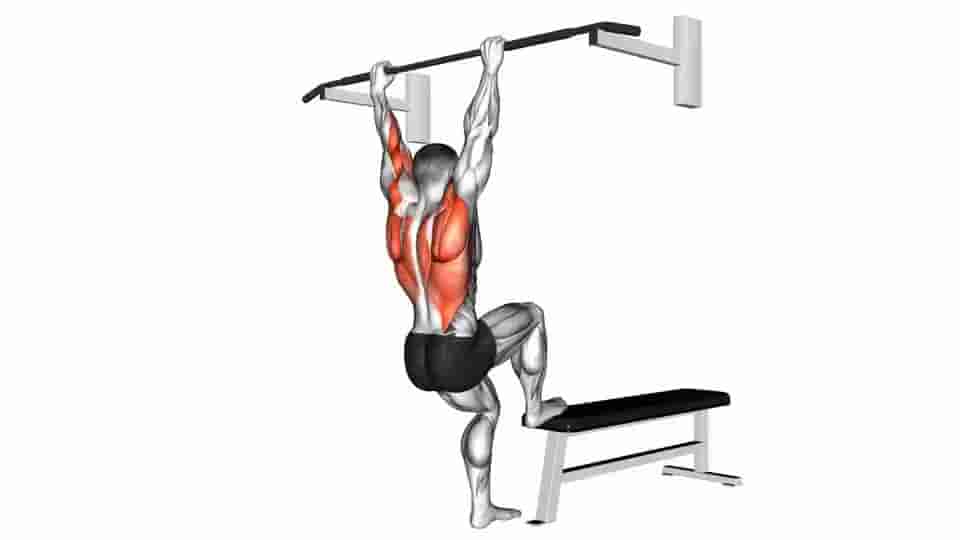
Kinetic Chain Integration and Multi-Planar Movement Patterns: Bridging Functional Strength with Athletic Longevity
In the evolution of modern exercise science and functional conditioning, the traditional fitness paradigm of training muscles in isolated, single-plane environments has been largely superseded by multi-planar kinetic…
Read article ↗
Velocity-Based Training (VBT) and Barbell Displacement: Utilizing Real-Time Biofeedback to Optimize Daily Intensity
In contemporary high-performance strength and conditioning, relying solely on subjective ratings of perceived exertion or rigid percentage-based loading charts is increasingly being supplemented by objective,…
Read article ↗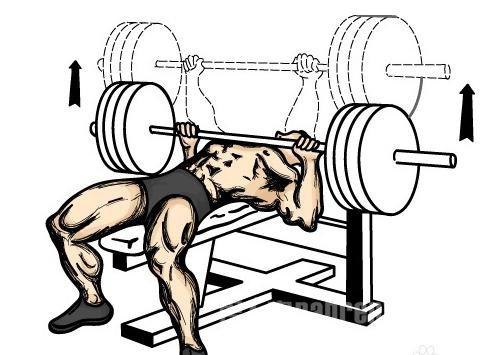
Posterior Chain Decompression and Spinal Health: Mitigating Chronic Compression Through Inversion and Traction
The human spine is subjected to continuous gravitational forces and heavy axial loading throughout daily life and structured resistance training.
Read article ↗
Intermuscular Coordination and Synergist Dominance: Correcting Muscle Imbalances in Compound Movements
When executing complex compound resistance exercises, the human body relies on an intricate symphony of prime movers, stabilizers, and synergist muscles working in precise chronological harmony.
Read article ↗
Cardiorespiratory Integration and High-Intensity Interval Training: Balancing Aerobic Conditioning with Strength Adaptation
In the traditional dichotomy of physical fitness, cardiovascular endurance training and resistance-based hypertrophy training were long viewed as mutually exclusive pursuits, famously constrained by the 'interference…
Read article ↗
Proprioceptive Neuromuscular Facilitation (PNF) Stretching: Leveraging Autogenic and Reciprocal Inhibition for Flexibility
While static stretching remains a staple for long-term connective tissue lengthening and dynamic warm-ups prepare the nervous system for action, stretching protocols that harness advanced neurophysiological mechanisms…
Read article ↗
Fascial Line Tension and Anatomy Trains: Optimizing Movement Efficiency Through Superficial Back Line Integration
In classical anatomy, muscles are traditionally studied as individual units originating on one bone and inserting onto another across a single joint.
Read article ↗
Central Nervous System Fatigue and Neuromuscular Recovery: Navigating Neural Burnout in Heavy Strength Training
In the pursuit of progressive overload, many dedicated athletes monitor muscular soreness (DOMS) as the primary indicator of physical fatigue.
Read article ↗
Kinematic Sequencing and Power Transfer: Unlocking Kinetic Energy Flow from Lower Extremities to Upper Limbs
In athletic disciplines characterized by explosive throwing, striking, or jumping—such as tennis serves, baseball pitching, and rotational martial arts—the generation of elite power does not originate in the arms or…
Read article ↗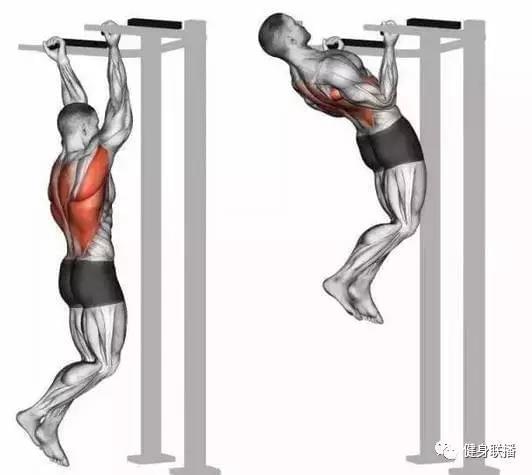
Hypertrophy Mechanics and Mechanical Tension: Differentiating Tension, Metabolic Stress, and Muscle Damage
In the contemporary landscape of evidence-based bodybuilding and muscle hypertrophy research, exercise scientists have extensively categorized the primary mechanisms driving skeletal muscle growth into three core…
Read article ↗
Post-Activation Potentiation (PAP) Protocols: Maximizing Explosive Power Output Through Complex Training
In high-performance athletic conditioning, bridging the gap between maximum strength and explosive power is a primary objective for coaches working with sprinters, jumpers, and field sport athletes.
Read article ↗
Scapular Upward Rotation and Serratus Anterior Activation: Safeguarding Overhead Mechanics and Preventing Impingement
Overhead pressing, pull-ups, and snatch movements are staple exercises in modern strength conditioning, yet they place immense mechanical demands on the shoulder girdle.
Read article ↗
Ecological Dynamics and Constrained-Led Approach in Strength Coaching: Fostering Self-Organization in Motor Learning
For decades, traditional strength and coaching education relied heavily on prescriptive, 'command-style' instruction, where coaches demanded rigid adherence to standardized technical models regardless of an individual's…
Read article ↗
Bioenergetic Pathways and Intramuscular ATP Resynthesis: Optimizing Fuel Selection Across Training Modalities
Every muscular contraction, mechanical shift, and metabolic adaptation required during physical exercise depends entirely on the availability and rapid resynthesis of adenosine triphosphate (ATP), the universal energy…
Read article ↗
Hydration Dynamics and Electrolyte Homeostasis: Preventing Exercise-Associated Muscle Cramps and Dehydration
Fluid balance and electrolyte homeostasis are fundamental physiological pillars governing human athletic performance, thermoregulation, and cellular integrity.
Read article ↗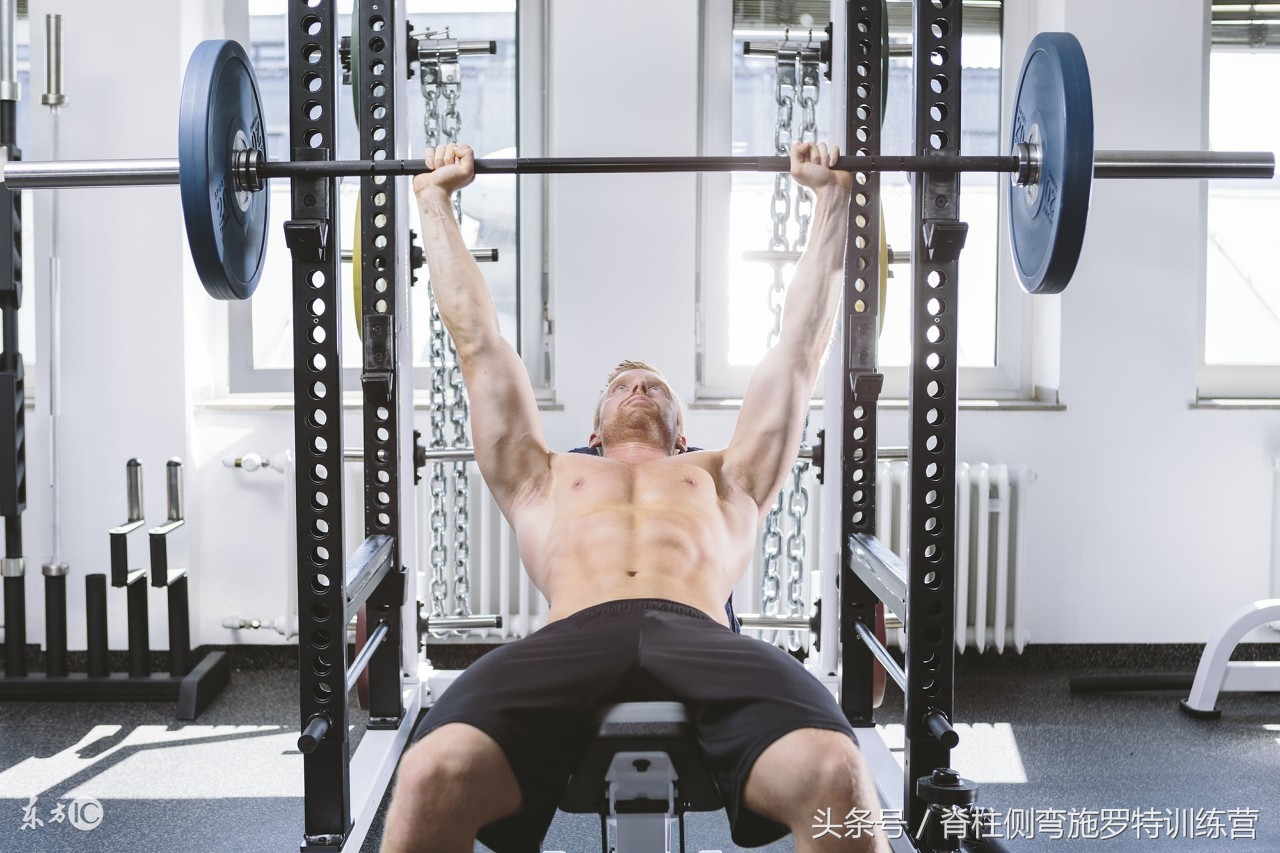
Lumbar Spine Stability and Anti-Extension Mechanics: Protecting Spinal Integrity in Heavy Axial Loading
In the architecture of heavy resistance training and compound lifting, protecting the lumbar spine against excessive anterior shear and spinal hyperextension is paramount.
Read article ↗
Sleep Hygiene and Circadian Optimization: Maximizing Growth Hormone Secretion and Neuromuscular Recovery
In the relentless pursuit of muscle hypertrophy, strength gains, and athletic performance, practitioners often obsess over training volume, macro-nutrient splits, and supplement stacks while completely overlooking the…
Read article ↗
Protein Distribution and Anabolic Windows: Optimizing Muscle Protein Synthesis Across Daily Feedings
For decades, sports nutrition discourse was dominated by the rigid concept of the narrow 'anabolic window'—the belief that athletes must consume protein within a strict 30-minute post-workout timeframe or forfeit all…
Read article ↗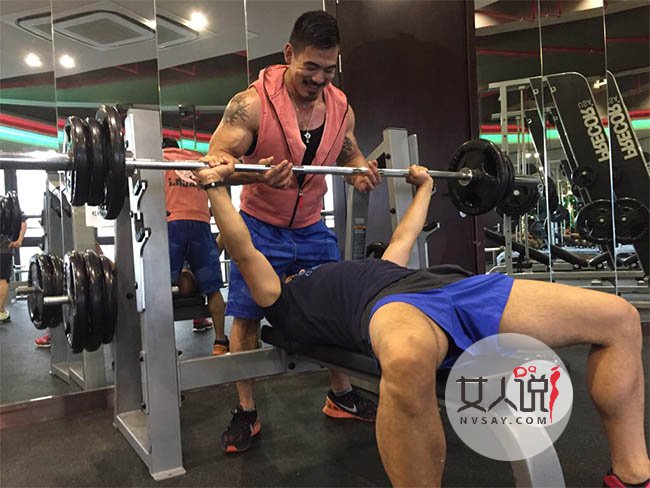
Grip Width and Biomechanical Variations: Manipulating Muscle Recruitment in Bench Press and Lat Pulldown Movements
In resistance training programming, selecting an exercise such as the bench press or lat pulldown is only the first step; how an individual configures their grip width and hand orientation fundamentally alters the…
Read article ↗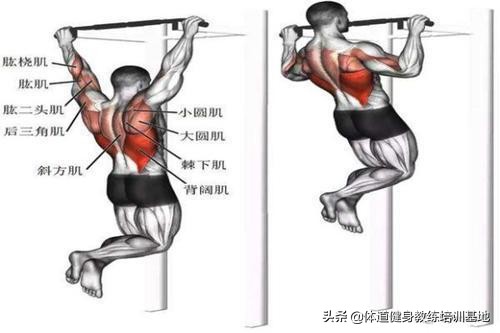
Instrument-Assisted Soft Tissue Mobilization (IASTM): Breaking Down Myofascial Adhesions and Enhancing Tissue Glide
In the modern continuum of physical therapy and athletic recovery, managing chronic myofascial restrictions and scar tissue adhesions extends beyond manual massage and foam rolling.
Read article ↗
Plant-Based Protein Isolates and Skeletal Muscle Hypertrophy: Clinical Insights from Recent Systematic Reviews
For decades, sports nutrition discourse was dominated by the dogma that animal-derived proteins were uniquely superior for stimulating muscle protein synthesis (MPS) and driving lean mass gains.
Read article ↗
Mycoprotein and Novel Fungal Proteins: Revolutionizing Recovery and Sustainable Muscle Building in Vegan Athletes
As the global fitness community seeks more sustainable, wholefood alternatives to heavily processed meat analogs, sports nutrition researchers have turned their attention toward mycoprotein and advanced fungal-derived…
Read article ↗
Algae-Derived Omega-3 Fatty Acids: Optimizing Inflammatory Modulation and Joint Health in Plant-Based Lifts
For athletes adhering to plant-based or vegan diets, managing systemic inflammation and protecting articular cartilage against the repetitive micro-trauma of heavy resistance training requires careful consideration of…
Read article ↗
Low-Fat Vegan Diets and Metabolic Efficiency: Clinical Trial Evidence on Insulin Sensitivity and Body Composition
Achieving and maintaining an optimal body fat percentage while preserving maximal lean muscle mass is a perpetual challenge for physique competitors and strength athletes.
Read article ↗
Certified Organic Pre-Workout and Recovery Botanicals: Clean Energy and Inflammation Control for Plant-Based Competitors
In the realm of competitive sports and intense physical conditioning, pre-workout and post-workout supplementation plays a pivotal role in maximizing training intensity and accelerating recovery.
Read article ↗
Iron Homeostasis and Ferritin Optimization: Preventing Anemia and Sustaining Maximal Aerobic Capacity in Plant-Based Endurance
Maintaining optimal iron status is one of the most critical physiological challenges for athletes adhering to plant-based diets, particularly endurance runners, cyclists, and high-volume CrossFit competitors.
Read article ↗
Creatine Monohydrate Supplementation in Plant-Based Athletes: Enhancing Cellular Energy Stores and Cognitive Function
Creatine monohydrate is universally recognized as the most thoroughly researched, highly effective ergogenic aid in sports nutrition history.
Read article ↗
Bone Mineral Density and Calcium-Protein Synergy: Protecting Skeletal Integrity in High-Impact Plant-Based Training
Heavy resistance training and high-impact plyometric exercises subject the human skeletal system to immense mechanical loading, stimulating bone remodeling and increasing bone mineral density (BMD) to withstand future…
Read article ↗
Gut Microbiome Diversity and Short-Chain Fatty Acids: Unlocking Enhanced Nutrient Absorption in Plant-Based Fitness
The human gastrointestinal tract houses a complex ecosystem of trillions of microorganisms that profoundly influence metabolic regulation, immune function, inflammatory responses, and athletic performance.
Read article ↗
Vitamin B12 Supplementation and Neuromuscular Efficiency: Safeguarding Nerve Conduction in Plant-Based Athletes
Vitamin B12 (cobalamin) is an essential water-soluble vitamin required for DNA synthesis, neurological function, red blood cell formation, and optimal energy metabolism.
Read article ↗
Hemp Protein and Edestin Globulin: Unlocking Superior Digestibility and Amino Acid Utilization in Plant-Based Hypertrophy
As the demand for diverse, allergen-free, and minimally processed plant-based protein sources continues to accelerate across the global fitness and nutrition community, hemp protein has emerged as a premier dietary…
Read article ↗
Nitrate-Rich Beetroot Juice and Vascular Endothelial Function: Enhancing Oxygen Economy in Plant-Based Endurance Training
Optimizing cardiovascular efficiency and enhancing muscular oxygen delivery during high-intensity endurance training or prolonged resistance circuits is a primary objective for modern sports scientists.
Read article ↗
Plant-Based Collagen Precursors and Tendon Extensibility: Engineering Connective Tissue Resilience Against Heavy Mechanical Loading
In the architectural design of heavy resistance training, the primary focus is frequently directed toward skeletal muscle hypertrophy and myofascial force production, while the health of tendinous and ligamentous…
Read article ↗
Zinc Bioavailability and Immune Homeostasis: Optimizing Anabolic Hormone Production in Plant-Based Lifters
Zinc is an indispensable trace mineral governing over 300 enzymatic reactions in the human body, playing a monumental role in immune system integrity, cellular repair, protein synthesis, and the regulation of key…
Read article ↗
Antioxidant-Dense Superfoods and Exercise-Induced Oxidative Stress: Balancing Cellular Signaling with Recovery
Intense physical exercise, heavy resistance training, and high-volume endurance conditioning inevitably generate reactive oxygen species (ROS) and free radicals within skeletal muscle and systemic circulation.
Read article ↗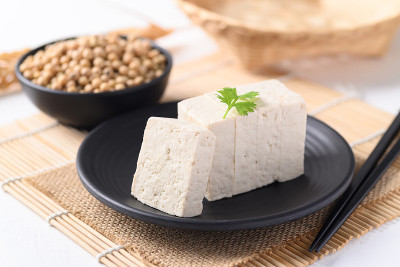
Carbohydrate Periodization and Glycogen Supercompensation: Maximizing High-Intensity Output in Plant-Based Athletes
Carbohydrates serve as the primary, most efficient biochemical fuel source for high-intensity muscular contractions, anaerobic power output, and prolonged endurance exercise.
Read article ↗
Plant-Based Electrolyte Balance and Sodium-Glucose Cotransport: Optimizing Fluid Retention and Hydration Dynamics
Maintaining precise fluid and electrolyte equilibrium is a paramount physiological requirement for sustaining cardiovascular stability, thermoregulation, and neuromuscular function during strenuous physical exertion.
Read article ↗
Plant-Based Omega-6 to Omega-3 Ratios and Systemic Inflammation: Modulating Cellular Recovery Pathways
The balance of essential polyunsaturated fatty acids—specifically the ratio between omega-6 and omega-3 fatty acids—plays a profound physiological role in regulating systemic inflammation, immune cell signaling, and…
Read article ↗
Ergogenic Aids in Vegan Powerlifting: Evaluating Beta-Alanine, Citrulline Malate, and Dietary Nitrates
In the elite domain of powerlifting and maximal strength sports, athletes continually seek evidence-based ergogenic aids that can push the boundaries of physical performance, delay muscular fatigue, and enhance force…
Read article ↗
Mindful Recovery and Parasympathetic Activation: Integrating Breathwork and Restorative Sleep for Plant-Based Athletes
In the relentless pursuit of physical progression, strength gains, and muscular hypertrophy, athletes often focus exclusively on the mechanical and nutritional inputs of training while overlooking the master controller…
Read article ↗
Spirulina and Chlamydomonas Microalgae: Bioavailable Micronutrient Density and Anabolic Support in Vegan Strength Athletes
As the global fitness and nutrition community continues to explore sustainable, nutrient-dense wholefood supplements, microalgae species such as Spirulina and Chlamydomonas (Chlorella) have captured the attention of…
Read article ↗
Leucine Enrichment and Dynamic Amino Acid Balancing: Overcoming the Plant Protein Threshold for Maximum Muscle Protein Synthesis
In the ongoing discourse surrounding plant-based muscle hypertrophy, sports nutritionists frequently confront the 'leucine trigger' hypothesis—the physiological observation that stimulating maximum muscle protein…
Read article ↗
Fermented Soy Products and Isoflavone Dynamics: Supporting Cardiovascular Health and Metabolic Efficiency in Athletes
Soybean consumption has historically been surrounded by various athletic myths and misconceptions regarding hormonal interference and estrogenic activity.
Read article ↗
Whole-Food Plant Diets and Glycemic Variability: Stabilizing Energy Levels and Enhancing Athletic Work Capacity
Sustained high-intensity athletic performance requires stable blood glucose regulation to prevent the energy crashes, cognitive fog, and premature fatigue that accompany erratic glycemic spikes and drops.
Read article ↗
Magnesium Glycinate and Neuromuscular Relaxation: Mitigating Cramps and Optimizing Sleep Architecture in Plant Athletes
Magnesium is an essential intracellular cation involved in over 600 enzymatic reactions, serving as a master regulator of neuromuscular transmission, muscle relaxation, energy production, and deep restorative sleep.
Read article ↗
Phytic Acid Reduction Techniques: Sprouting, Fermentation, and Soaking to Maximize Mineral Bioavailability in Plant Diets
A persistent challenge in plant-based sports nutrition is the presence of phytic acid (myo-inositol 1,2,3,4,5,6-hexakisphosphate), a natural compound found within the bran and hulls of seeds, nuts, grains, and legumes.
Read article ↗
Plant-Based Protein Blends and Complementary Amino Acid Profiling: Achieving Complete Anabolic Synergy
For decades, the erroneous dogma of combining incomplete plant proteins within the exact same meal—popularized as 'protein combining' in the 1970s—misled many athletes into believing that plant proteins were inherently…
Read article ↗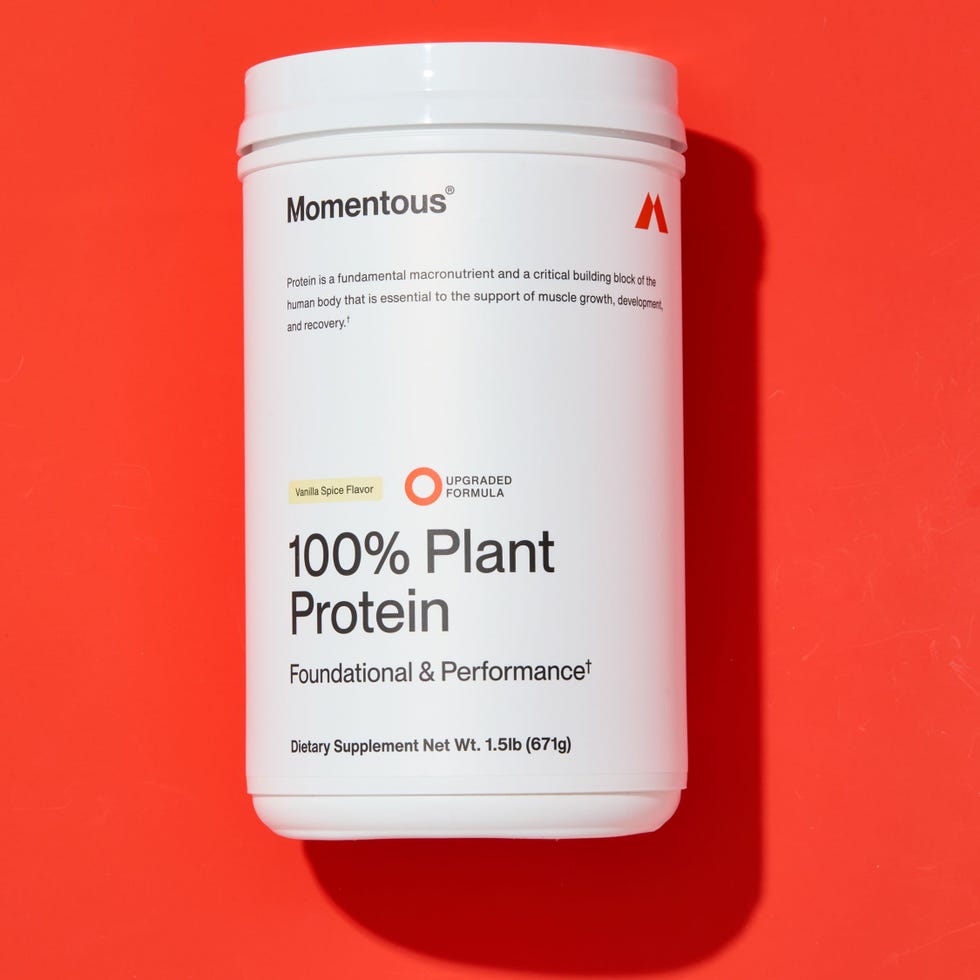
Cold-Pressed Seed Oils and Cellular Membrane Fluidity: Optimizing Signal Transduction in Athletic Conditioning
In the ongoing optimization of physical performance and cellular health, the quality of dietary fats consumed plays a decisive role in structuring cellular architecture.
Read article ↗
Tart Cherry Juice and Anthocyanin Kinetics: Accelerating Recovery and Mitigating Strength Loss in Heavy Resistance Training
High-intensity eccentric resistance training—characterized by heavy loaded squats, deadlifts, and intense negative repetitions—inevitably induces micro-trauma within skeletal muscle fibers, triggering delayed-onset…
Read article ↗
Circadian Nutritional Architecture: Timing Macronutrient Ingestion to Synchronize Metabolic Pathways with Athletic Demands
In the sophisticated landscape of modern sports nutrition, mastering what and how much to eat is only half the equation; when to consume specific macronutrients relative to the body's internal circadian clock is…
Read article ↗
Mung Bean Protein Isolates: Amino Acid Bioavailability and Hypoallergenic Muscle Protein Synthesis in Plant Athletes
As the sports nutrition industry continues to diversify beyond traditional soy and pea protein supplements, food scientists and plant-based athletes have increasingly turned their attention toward mung bean protein…
Read article ↗
Ergogenic Benefits of Dietary Taurine: Cellular Hydration, Antioxidant Defense, and Endurance Performance in Plant Athletes
Taurine (2-aminoethanesulfonic acid) is a conditional amino acid found in exceptionally high concentrations in skeletal muscle, cardiac tissue, and the central nervous system.
Read article ↗
Bioavailability of Plant-Based Calcium: Oxalates, Phytates, and Skeletal Remodeling in Vegan Athletes
Maintaining rigorous skeletal integrity and optimal bone mineral density is a fundamental physiological necessity for athletes engaging in heavy resistance training and high-impact plyometric conditioning.
Read article ↗
Ashwagandha (Withania somnifera) and Adaptogenic Stress Mitigation: Optimizing Anabolic Hormones in Plant Lifters
In the demanding world of high-performance strength training and competitive athletics, chronic psychological and physical stress can severely compromise recovery, elevate circulating cortisol levels, and suppress key…
Read article ↗
Intermittent Fasting and Plant-Based Autophagy: Cellular Cleansing and Metabolic Regeneration in Endurance Athletes
The intersection of time-restricted feeding (intermittent fasting) and whole-food plant-based nutrition has captured widespread interest among endurance athletes and longevity practitioners seeking to optimize metabolic…
Read article ↗
Plant-Based BCAAs and Leucine-to-Isoleucine Ratios: Optimizing Anabolic Signaling Without Animal Byproducts
Branched-chain amino acids (BCAAs)—consisting of leucine, isoleucine, and valine—have long held a prominent position in sports nutrition as key ergogenic supplements designed to stimulate muscle protein synthesis,…
Read article ↗
Bioactive Polysaccharides in Medicinal Mushrooms: Immune Resilience and Recovery in High-Volume Plant Athletes
In the ongoing quest for holistic physiological resilience and enhanced immune surveillance, elite athletes and sports scientists have increasingly turned their attention toward medicinal mushrooms—such as Cordyceps,…
Read article ↗
Plant-Based Epigallocatechin Gallate (EGCG) and Fat Oxidation: Metabolic Optimization in Cutting and Physique Prep
Achieving an optimal body fat percentage while preserving maximal lean skeletal muscle mass is a paramount objective for physique competitors, bodybuilders, and weight-class athletes undergoing intensive cutting phases.
Read article ↗
Digestive Protease Enzymes and Plant Protein Utilization: Maximizing Anabolic Efficiency in Vegan Diets
A common physiological hurdle reported by athletes transitioning to high-protein, whole-food plant diets is transient gastrointestinal discomfort, including bloating, flatulence, and perceived sluggish digestion.
Read article ↗
Bioflavonoids and Vascular Permeability: Protecting Endothelial Integrity and Enhancing Recovery in Plant Athletes
In the multifaceted architecture of athletic recovery and vascular health, managing microvascular permeability and protecting endothelial tissue integrity is essential for sustaining optimal blood flow, nutrient…
Read article ↗