Read the research
Every story starts with the primary source — the study itself, not a summary of a summary. We note the sample size, the population, and what the authors actually claimed.
We believe fitness information can be rigorous without becoming rigid, and encouraging without pretending every body is the same.
Paw Tales is an independent-style editorial and tools concept for people exploring strength, movement, recovery, and plant-based nutrition. The voice is warm. The standards are thoughtful. The goal is practical clarity.
We turn dense topics into questions you can use: What would help me feel more stable? How can I fuel this training? When is a lighter day the wiser choice?
Nothing here is a prescription. It is a well-read friend who sends you the study and the summary — then trusts you to make the call.
Research is a starting point. Your lived experience and professional guidance belong in the conversation too.
Consistency is easier to sustain when it leaves space for sleep, joy, adaptation, and real life.
Every calculator and prompt should help you make a better choice, not hand your judgment away.
Four steps, every time — no exceptions for deadlines, trends or our own favourite hypotheses.
Every story starts with the primary source — the study itself, not a summary of a summary. We note the sample size, the population, and what the authors actually claimed.
A finding from trained college lifters may not describe your third year of training around a desk job. We say where evidence is strong, where it is thin, and where it simply does not apply.
No hedging walls, no jargon scaffolding. If a paragraph cannot be read aloud comfortably, it gets rewritten until it can.
Where a story has a number in it — protein doses, deload timing, sleep windows — we build a calculator so the reading ends in a decision.
A small research desk that reads the studies, keeps the useful parts, and writes them plainly.
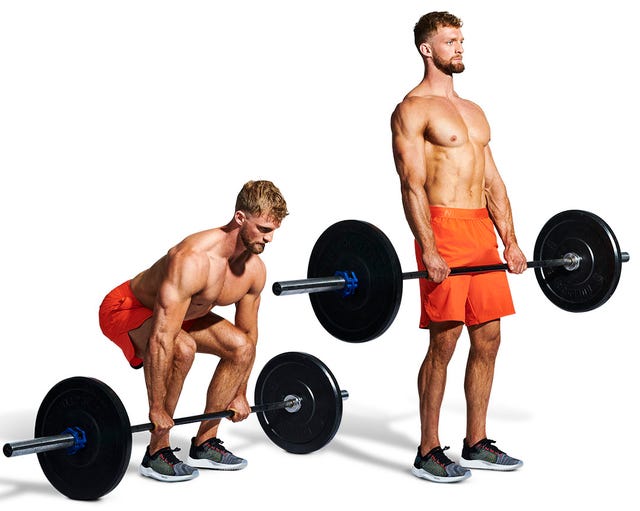
Reads the research on lifting mechanics so cues stay simple, honest and safe under load.
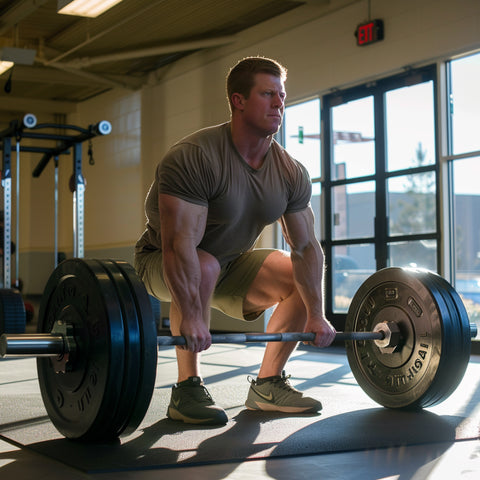
Translates fatigue, deload and sleep studies into weekly habits that survive real schedules.
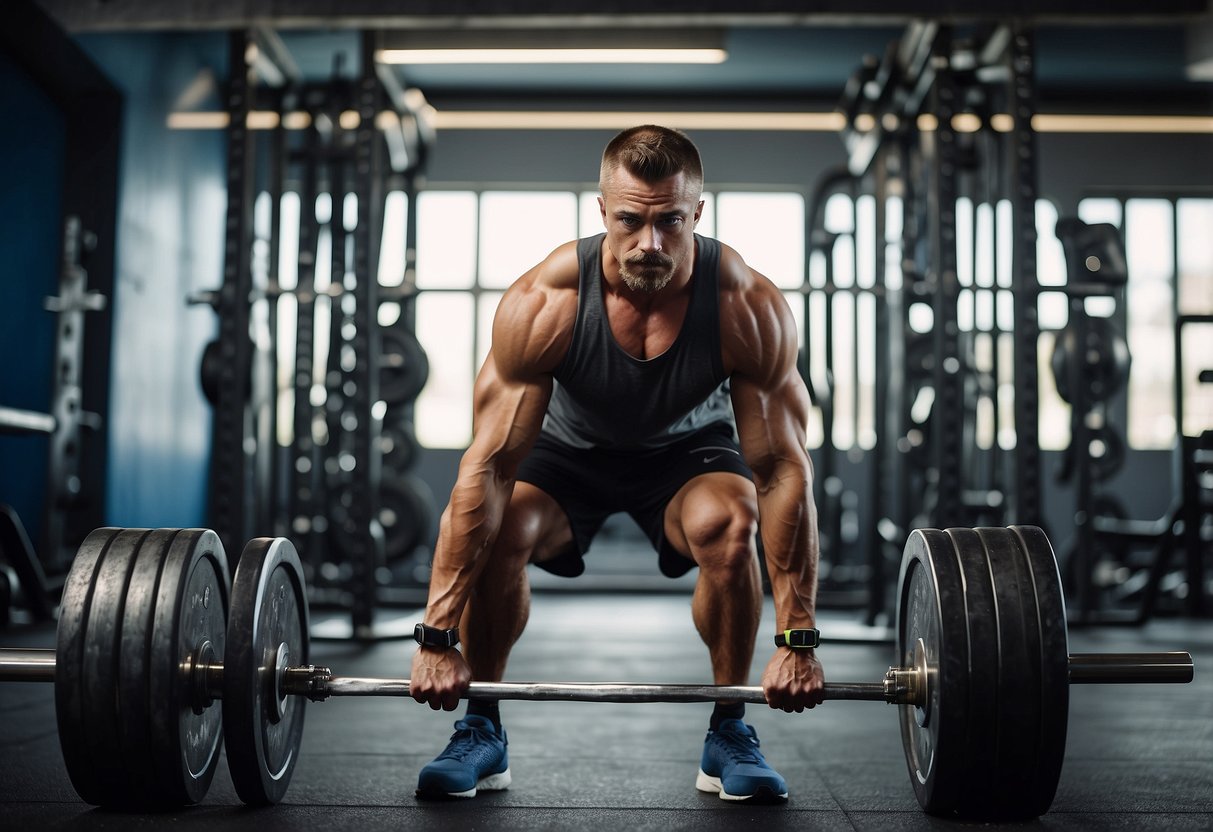
Turns protein, iron and B12 evidence into meals that actually fit a plant-based week.
Trust is easier to keep than to win back, so we publish the boundary alongside the advice.
Pain that sharpens, pinches or radiates needs a qualified professional in the room with you. Our pages explain what the evidence says, not what your shoulder has.
Fitness research moves. Where the field is unsettled, we say so instead of picking a confident-sounding side.
No “one food ruins everything” headlines. Boring, repeatable guidance beats traffic.
No. It is an editorial and tools concept that reads clinical research closely and writes it plainly. For diagnosis, injury or medication decisions, we point you to qualified professionals — and we do that early, not in a footnote.
Three filters: is the evidence interesting, does it change what a reader would do this week, and can we explain it without a physiology degree? A story that fails the second filter becomes a footnote, not a headline.
Because plant-based athletes ask questions mainstream fitness media answers badly. The evidence on protein distribution, B12, iron and creatine is genuinely rich — it deserves a desk of its own, not a monthly column.
This build is an editorial concept: no paywalls, no affiliate links in the tools, no ranking placement for partners. If that changes, labelling will be loud and unmissable.