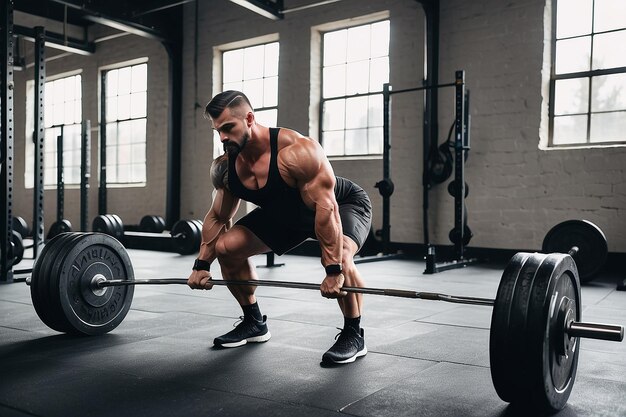
Breathing is an involuntary autonomic function essential for sustaining human life, yet in the context of heavy resistance training and athletic performance, it becomes a sophisticated mechanical tool for spinal protection and force transmission. In amateur fitness culture, breathing during exercise is often erratic or restricted to shallow chest breathing. In contrast, elite strength athletes and biomechanists utilize advanced diaphragmatic breathing and 360-degree intra-abdominal pressure (IAP) generation—commonly referred to as the Valsalva maneuver or bracing—to transform the torso into a rigid, pressurized hydraulic cylinder that shields the lumbar spine from extreme shear forces.
From a physiological and biomechanical standpoint, true diaphragmatic breathing engages the diaphragm muscle to flatten downward, while simultaneously expanding the abdominal wall outward against the belt and obliques in all directions. This uniform 360-degree expansion creates immense hydrostatic pressure within the abdominal cavity, pushing outward against the spine from the front while deep erector spinae muscles contract from the back. This dual-action hydraulic support system reduces compressive loads on the lumbar intervertebral discs by up to 40% during heavy squats and deadlifts, allowing athletes to lift maximal loads safely without compromising structural integrity. Mastering this intra-abdominal pressurization technique is the single most effective way to eliminate lower back vulnerability during maximal effort lifts.
The global strength coaching, wearable fitness technology, and athletic training marketplace places immense commercial value on breathing mechanics education, driving widespread popularity of specialized training masks, biofeedback breathing apps, and smart lifting belts equipped with pressure sensors. Financial market analysts highlight that the integration of breath-work coaching into mainstream fitness platforms has revolutionized how modern trainers approach core stabilization. Equipment manufacturers continue to innovate ergonomic lifting belts that facilitate optimal tactile feedback for 360-degree abdominal expansion.
in parallel with ongoing sports science trials and spinal loading studies, international orthopedic research consortia subject all diaphragmatic bracing and intra-abdominal pressure protocols to rigorous ultrasound and pressure-transducer testing. Transparency in coaching methodologies ensures that everyday gym members learn safe, effective breathing patterns without experiencing dangerous spikes in blood pressure. Compliance officers verify that professional coaching certifications maintain rigorous standards in respiratory mechanics and load management. For strength coaches, powerlifters, and fitness practitioners, mastering breathing mechanics is mandatory for achieving elite performance safely. Experts recommend practicing 360-degree abdominal bracing drills in a supine position before translating the skill into heavy standing compound movements. (For reference only)
Three things to carry forward
- Practicing 360-degree abdominal bracing drills in a supine position before translating the skill into heavy standing compound movements.
This editorial is for general education and is not medical advice. If you have pain, an injury, a medical condition, or questions about supplements, work with an appropriately qualified professional.