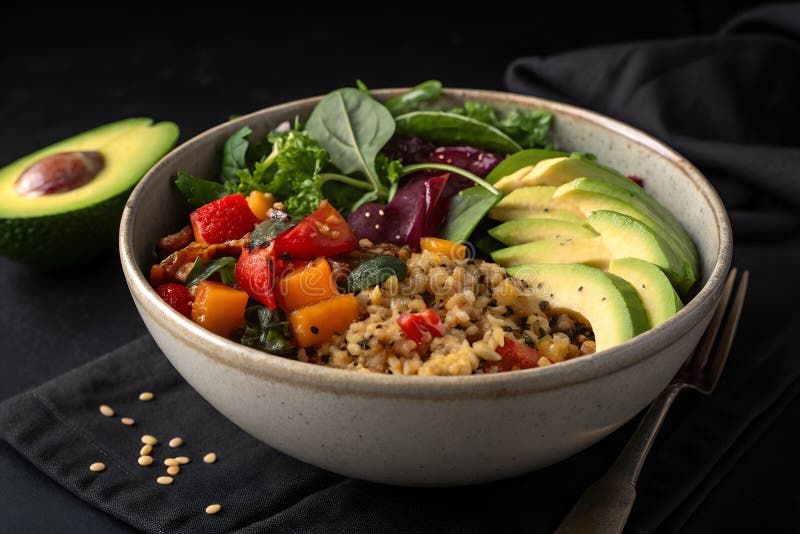
A common physiological hurdle reported by athletes transitioning to high-protein, whole-food plant diets is transient gastrointestinal discomfort, including bloating, flatulence, and perceived sluggish digestion. This occurs because plant foods naturally contain dense structural fibers, oligosaccharides, and rigid cell walls that require robust enzymatic hydrolysis. To unlock maximum anabolic efficiency and ensure complete protein absorption, advanced sports nutritionists advocate for the strategic inclusion of plant-derived digestive protease enzymes.
From a physiological and gastroenterological standpoint, digestive enzymes such as papain (derived from papaya), bromelain (derived from pineapple), and fungal-derived proteases act as biological catalysts that accelerate the hydrolysis of complex plant proteins into individual amino acids and small di- and tri-peptides within the stomach and small intestine. By breaking down peptide bonds more efficiently prior to microbial fermentation in the lower colon, these proteolytic enzymes eliminate uncomfortable bloating, enhance the speed of amino acid delivery into systemic circulation, and maximize the net nitrogen retention required for muscle protein synthesis. Consequently, plant-based athletes can consume high quantities of legumes, tempeh, and plant protein isolates without digestive distress, ensuring that every gram of ingested protein is fully utilized for tissue repair and hypertrophic growth.
The global sports nutrition, functional enzyme, and dietary supplement marketplace places high commercial value on specialized digestive enzyme formulations, driving robust consumer sales of broad-spectrum plant protease capsules. Financial market analysts highlight that digestive health supplements represent a rapidly expanding sector within sports wellness retail. Software developers continue to engineer advanced nutritional planning platforms that calculate optimal enzyme dosages based on specific meal compositions.
in parallel with ongoing clinical trials and gastroenterological studies, international sports science consortia subject all plant protease protocols to rigorous nutrient-absorption and transit-time evaluations. Transparency in supplement science ensures that consumers select broad-spectrum enzyme blends active across diverse pH ranges. Compliance officers verify that commercial enzyme manufacturers adhere strictly to USP pharmaceutical purity standards. For strength coaches, sports dietitians, and plant-based athletes, mastering digestive enzyme supplementation is a valuable asset for maximizing nutritional payoff. Experts recommend taking a broad-spectrum plant protease supplement immediately prior to large, high-protein plant meals to ensure optimal digestive comfort and amino acid utilization. (For reference only)
Three things to carry forward
- Taking a broad-spectrum plant protease supplement immediately prior to large, high-protein plant meals to ensure optimal digestive comfort and amino acid utilization.
This editorial is for general education and is not medical advice. If you have pain, an injury, a medical condition, or questions about supplements, work with an appropriately qualified professional.