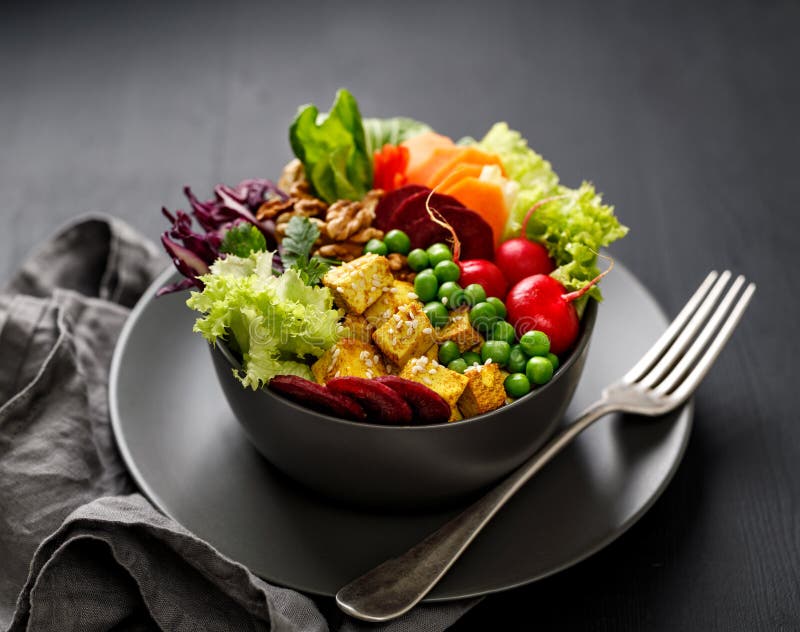
Soybean consumption has historically been surrounded by various athletic myths and misconceptions regarding hormonal interference and estrogenic activity. However, contemporary sports endocrinology and clinical nutrition research have firmly debunked these outdated notions, demonstrating that traditional fermented soy products—such as tempeh, natto, miso, and organic tofu—offer exceptional cardiovascular, metabolic, and ergogenic benefits for hard-training plant-based athletes.
From an endocrinological and biochemical standpoint, traditional fermentation processes break down complex anti-nutrients and transform soy proteins into highly bioavailable peptides rich in bioactive isoflavones, primarily genistein and daidzein. These natural isoflavones act as selective estrogen receptor modulators (SERMs) and potent antioxidants that improve endothelial function, reduce systemic blood pressure, and enhance arterial compliance during high-intensity cardiovascular exertion. Furthermore, fermented soy products deliver substantial amounts of vitamin K2 (menaquinone) in the case of natto, which plays a pivotal role in directing calcium deposition away from arterial walls and into the skeletal matrix, thereby supporting both cardiovascular longevity and bone mineral density. Incorporating these nutrient-dense fermented foods into daily meal prep provides plant-based athletes with high-quality, complete protein alongside powerful metabolic protectors.
The global functional food, organic agriculture, and sports nutrition marketplace places high commercial value on authentic fermented soy products, driving robust consumer sales of artisan tempeh and traditional Japanese natto. Financial market analysts highlight that consumer demand for gut-friendly, fermented plant proteins continues to expand across global retail markets. Software engineers continue to engineer advanced nutritional databases that track isoflavone concentrations and vitamin K2 content for active individuals.
in parallel with ongoing clinical trials and cardiovascular research, international sports medicine consortia subject all soy-fermentation protocols to rigorous lipid-profile and hormonal biomarker evaluations. Transparency in nutritional guidelines ensures that athletes distinguish between heavily processed textured vegetable protein and nutrient-dense traditional fermented soy. Compliance officers verify that commercial food manufacturers adhere strictly to non-GMO and organic certification standards. For strength coaches, sports dietitians, and plant-based athletes, mastering the inclusion of fermented soy is a powerful strategy for comprehensive health and performance. Experts recommend consuming 1 to 2 servings of organic tempeh or tofu daily to support optimal nitrogen balance and vascular health. (For reference only)
Three things to carry forward
- Consuming 1 to 2 servings of organic tempeh or tofu daily to support optimal nitrogen balance and vascular health.
This editorial is for general education and is not medical advice. If you have pain, an injury, a medical condition, or questions about supplements, work with an appropriately qualified professional.