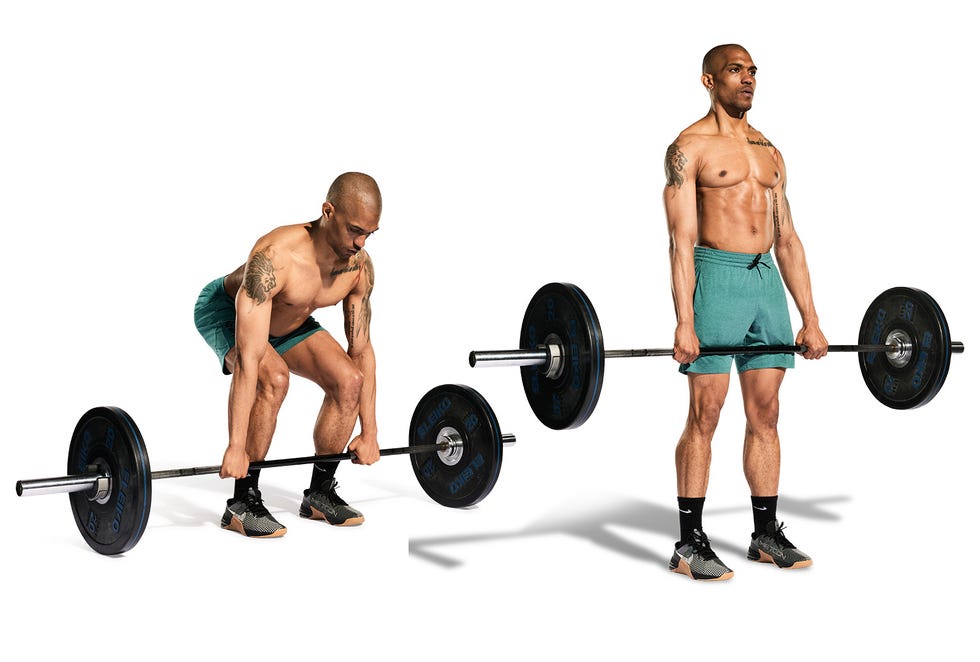
In traditional resistance training, equal emphasis is placed on the lifting phase (concentric action) and the lowering phase (eccentric action) of a movement. However, exercise science reveals that human skeletal muscle is significantly stronger during eccentric contractions—where muscle fibers lengthen under load—capable of handling 20% to 40% more weight than during concentric lifting. Harnessing this physiological reality through 'eccentric overload' or controlled negative repetitions represents one of the most powerful, scientifically validated catalysts for accelerated muscle hypertrophy and strength gains.
From a cellular and molecular muscle physiology perspective, eccentric contractions place extreme mechanical tension on structural proteins like titin and induce micro-tears within the Z-lines of sarcomeres. This controlled muscle damage triggers robust inflammatory and growth factor signaling cascades, activating satellite cells that donate myonuclei to existing muscle fibers, thereby increasing their capacity for protein synthesis and long-term growth. When executing negative repetitions—such as using a spotter or mechanical advantage to lift a heavy weight concentrically, followed by a slow, 4-to-6-second controlled eccentric lowering phase—lifters maximize mechanical tension and metabolic stress simultaneously. Furthermore, eccentric training strengthens tendons and ligaments through increased collagen synthesis, enhancing overall structural resilience against future injuries.
The broader sports science, athletic training, and high-tech fitness equipment marketplace places high commercial value on eccentric training technology, driving the rise of motorized smart resistance machines (such as 10X, Vitruvian, and tonal systems) that dynamically apply heavier loads during the lowering phase. Economic analysts note that elite training facilities increasingly invest in eccentric overload devices to accelerate athletic rehabilitation and peak power development. Software engineers continue to refine digital resistance algorithms that make precise eccentric loading accessible in home gym environments.
in parallel with ongoing physiological trials and muscle damage recovery studies, international sports science consortia subject all eccentric overload protocols to rigorous blood biomarker and electromyographic analysis. Transparency in training program design ensures that coaches manage cumulative central nervous system fatigue appropriately when prescribing high-intensity negatives. Compliance officers verify that commercial gym equipment meets strict safety standards for emergency load release during heavy eccentric movements. For advanced bodybuilders, strength coaches, and sports scientists, mastering eccentric overload principles unlocks new tiers of physical progression. Experts recommend utilizing eccentric intensifiers sparingly—such as on the final set of an exercise once every microcycle—to allow adequate recovery time between sessions. (For reference only)
Three things to carry forward
- Utilizing eccentric intensifiers sparingly—such as on the final set of an exercise once every microcycle—to allow adequate recovery time between sessions.
This editorial is for general education and is not medical advice. If you have pain, an injury, a medical condition, or questions about supplements, work with an appropriately qualified professional.