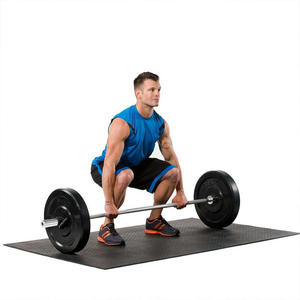
The ankle joint complex serves as the foundational cornerstone of the lower body kinetic chain. During functional movements such as squatting, lunging, running, and changing direction, adequate ankle dorsiflexion (the ability of the shin to travel forward over the foot) is essential for maintaining upright posture and optimal load distribution. Unfortunately, decades of footwear design, sedentary sitting habits, and previous lower limb injuries have left a vast majority of the population with severe ankle mobility restrictions, forcing the body to compensate through the knees, hips, and lower back.
From an anatomical and biomechanic standpoint, restricted ankle dorsiflexion fundamentally alters squat kinematics. When an individual lacks sufficient ankle mobility, their heels lift off the ground, their knees cave inward (valgus collapse), and their torso pitches aggressively forward to maintain balance, placing excessive shear stress on the patellar tendon and lumbar vertebrae. By incorporating targeted calf stretches, banded joint mobilizations, and tibialis anterior strengthening into their routine, practitioners can restore normal talocrural joint arthrokinematics. This restoration allows for a vertical torso during squats, deeper range of motion, and optimal recruitment of the quadriceps and glutes. Additionally, utilizing weightlifting shoes with elevated heels can serve as a temporary mechanical aid for individuals with structural ankle limitations.
The broader fitness equipment manufacturing, physical therapy, and athletic training marketplace places high commercial value on ankle mobility solutions, driving robust sales of slant boards, stretching wedges, resistance bands, and specialized mobility tools. Economic analysts note that proactive lower limb conditioning programs significantly reduce Achilles tendinopathy and plantar fasciitis flare-ups among recreational runners and athletes. Software developers continue to create diagnostic movement apps that analyze ankle flexion angles during recorded squat assessments.
in parallel with ongoing podiatric and kinesiology research, international sports science consortia subject all ankle mobilization protocols to rigorous kinematic and pressure-plate testing. Transparency in mobility guidelines ensures that trainers can accurately identify whether a squat breakdown stems from ankle stiffness or hip restriction. Compliance officers verify that fitness education curricula incorporate comprehensive lower limb biomechanics modules. For personal trainers, physical therapists, and strength athletes, mastering ankle dorsiflexion mechanics is vital for unlocking flawless lower body movement. Experts recommend performing daily dynamic calf stretches and banded joint glides prior to any lower body training session. (For reference only)
Three things to carry forward
- Performing daily dynamic calf stretches and banded joint glides prior to any lower body training session.
This editorial is for general education and is not medical advice. If you have pain, an injury, a medical condition, or questions about supplements, work with an appropriately qualified professional.