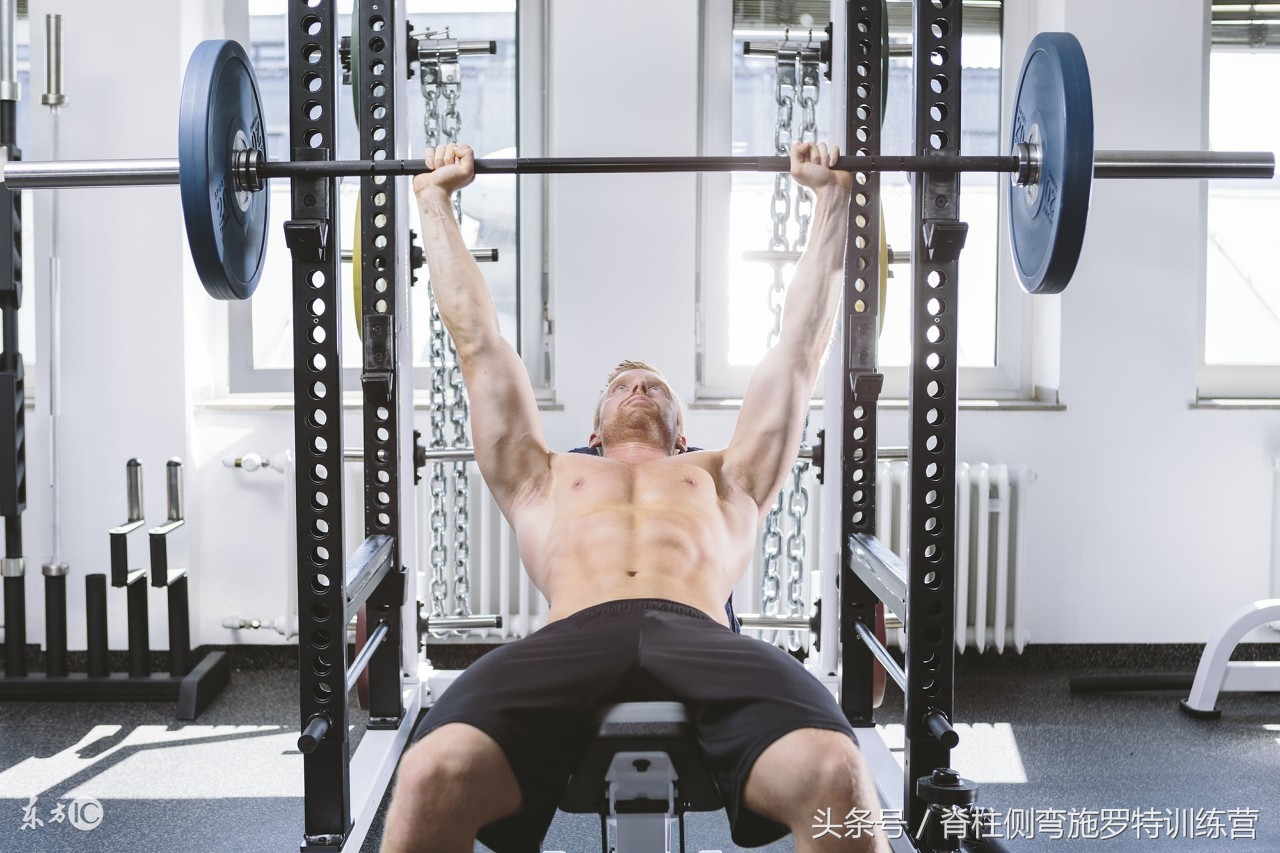
In the architecture of heavy resistance training and compound lifting, protecting the lumbar spine against excessive anterior shear and spinal hyperextension is paramount. Traditional exercise culture often misinterpreted core training as dynamic trunk flexion, leading to endless crunches that inadvertently compromise intervertebral disc health. Modern spinal biomechanics and evidence-based conditioning emphasize anti-extension mechanics—specifically training the deep abdominal and spinal erector musculature to resist unwanted lumbar extension while under heavy axial loads such as squats, overhead presses, and deadlifts.
From a functional anatomy and mechanical standpoint, the lumbar spine is structurally designed for stability and load transfer rather than repetitive bending. When an athlete performs a heavy lift, failure to engage anti-extension stabilizers—such as the transverse abdominis, rectus abdominis, and internal obliques—allows the pelvis to tilt anteriorly and the lower back to arch excessively, placing immense compressive stress on the posterior annulus fibrosus of lumbar discs. By integrating anti-extension protocols such as long-lever planks, ab wheel rollouts, and weighted hollow body holds, practitioners train the central nervous system to lock the ribcage down and maintain a neutral spinal alignment under fatigue. This physiological adaptation ensures optimal force transfer from the lower extremities while safeguarding spinal integrity against chronic injury.
The global health, physical therapy, and fitness equipment marketplace places immense commercial value on evidence-based spine health education, driving massive consumer demand for core stability accessories, ab wheels, and ergonomic training belts. Financial market analysts highlight that proactive back pain prevention programs yield significant cost savings by reducing musculoskeletal injury claims in both athletic and corporate environments. Software developers continue to engineer interactive posture-tracking applications that monitor spinal alignment during recorded exercise sets.
in parallel with ongoing orthopedic research and clinical trials, international spine health consortia subject all anti-extension training protocols to rigorous pressure-transducer and electromyographic evaluations. Transparency in rehabilitation guidelines ensures that clinicians and fitness trainers can safely prescribe spine-sparing core routines for populations ranging from elite powerlifters to older adults managing degenerative disc issues. Compliance officers verify that professional coaching certifications adhere strictly to modern biomechanical safety standards. For strength coaches, physical therapists, and dedicated lifters, mastering lumbar anti-extension mechanics is non-negotiable for long-term athletic longevity. Experts recommend integrating dedicated anti-extension holds into the beginning or end of every training session to reinforce lifelong spinal protection. (For reference only)
Three things to carry forward
- Integrating dedicated anti-extension holds into the beginning or end of every training session to reinforce lifelong spinal protection.
This editorial is for general education and is not medical advice. If you have pain, an injury, a medical condition, or questions about supplements, work with an appropriately qualified professional.