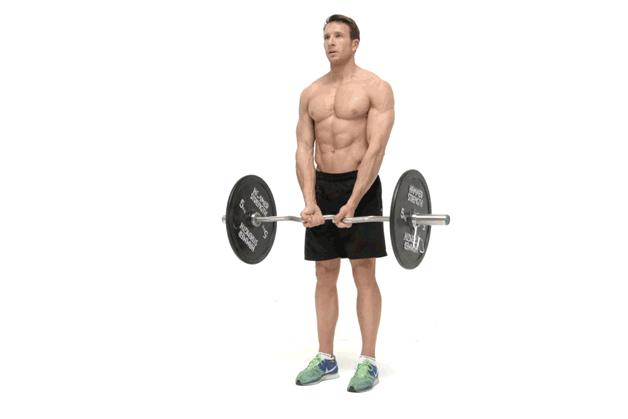
Traditional resistance training programs typically rely on static, percentage-based loading charts calculated from an athlete's one-rep max (1RM) determined weeks or months prior. However, human physiological readiness fluctuates wildly from day to day based on sleep quality, nutritional intake, life stress, and cumulative recovery debt. On high-stress days, a fixed percentage load may lead to crushing central nervous system fatigue and missed repetitions, while on high-readiness days, it may fail to provide an adequate growth stimulus. To solve this discrepancy, modern evidence-based conditioning champions Autoregulatory Progressive Resistance Exercise (APRE), a dynamic loading model that adjusts weight and volume in real-time based on daily performance capacity.
From a physiological and exercise science standpoint, APRE systems utilize structured rep-target protocols (such as APRE 6 or APRE 10 frameworks) where the final working sets dictate the weight adjustments for the subsequent set or training session. If an athlete easily surpasses their target repetition count on a heavy set, the loading formula automatically increases the weight for the next set; if fatigue causes the repetition count to drop, the load is adjusted downward accordingly. This eliminates guesswork, prevents overtraining, and ensures that the athlete constantly trains at the optimal intensity threshold regardless of daily fluctuations in biological readiness. By respecting the body's real-time biofeedback loops, APRE maximizes mechanical tension while safeguarding joint integrity and long-term training momentum.
The broader fitness coaching, software development, and athletic performance marketplace places high commercial value on autoregulatory training platforms, driving the integration of smart weight-adjustment algorithms into digital coaching applications and workout trackers. Economic analysts note that personalized, adaptive training programs yield significantly higher client retention and lower injury rates compared to rigid, static PDF workout templates. Software engineers continue to refine intuitive user interfaces that make real-time autoregulatory math effortless for everyday gym members.
in parallel with ongoing sports science trials and longitudinal strength studies, international coaching consortia subject all autoregulatory training models to rigorous performance and recovery tracking. Transparency in training log software ensures that athletes have complete visibility over their load adjustments and strength progression curves. Compliance officers verify that professional coaching certifications maintain rigorous standards in individualized load management and fatigue monitoring. For personal trainers, strength coaches, and dedicated lifters, understanding APRE principles is transformative for long-term progress. Experts recommend implementing autoregulatory sets on primary compound lifts while maintaining structured accessory work to balance overall training volume effectively. (For reference only)
Three things to carry forward
- Implementing autoregulatory sets on primary compound lifts while maintaining structured accessory work to balance overall training volume effectively.
This editorial is for general education and is not medical advice. If you have pain, an injury, a medical condition, or questions about supplements, work with an appropriately qualified professional.