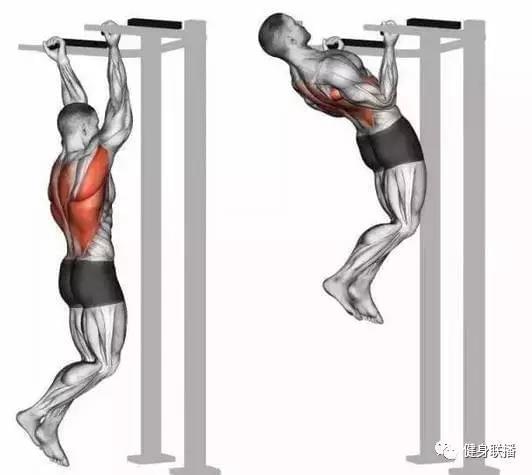
In the contemporary landscape of evidence-based bodybuilding and muscle hypertrophy research, exercise scientists have extensively categorized the primary mechanisms driving skeletal muscle growth into three core pillars: mechanical tension, metabolic stress, and muscle damage. Among these physiological triggers, modern literature confirms that mechanical tension—the physical force exerted on a muscle fiber when it contracts against heavy resistance through a full active range of motion—serves as the absolute primary, irreplaceable driver of muscular hypertrophy.
From a cellular biology and signal transduction perspective, mechanical tension is detected by mechanosensors located on the sarcolemma and focal adhesions of muscle fibers, which instantly trigger intracellular anabolic signaling pathways, most notably the mechanistic target of rapamycin complex 1 (mTORC1). When mTORC1 is activated, muscle protein synthesis rates surge, leading to the accretion of new contractile proteins (myofibrillar hypertrophy). While metabolic stress (the 'pump' and accumulation of blood metabolites) and muscle damage (micro-tears from eccentric lowering) contribute secondary support roles to hypertrophy, relying exclusively on high-rep burning sets or excessive soreness without sufficient mechanical tension yields inferior muscle growth. Optimizing hypertrophy requires prioritizing heavy, compound, and stretched-position resistance training where mechanical tension is maximized across every working set.
The broader fitness coaching, digital programming, and sports science publishing marketplace places high commercial value on evidence-based hypertrophy education, driving massive consumer demand for science-backed workout programs, physiological textbooks, and digital coaching courses. Economic analysts note that fitness consumers increasingly gravitate toward coaches who explain the precise cellular mechanisms of muscle growth rather than relying on unverified gym lore. Software developers continue to integrate mechanical tension tracking algorithms into advanced workout logging applications.
in parallel with ongoing physiological trials and muscle biopsy studies, international sports science consortia subject all hypertrophy and tension models to rigorous hormonal and protein synthesis tracking. Transparency in fitness coaching ensures that everyday gym members understand how to prioritize mechanical tension over generalized fatigue in their weekly routines. Compliance officers verify that personal training certification curricula adhere strictly to peer-reviewed exercise physiology standards. For personal trainers, serious bodybuilders, and fitness enthusiasts, mastering the mechanics of mechanical tension is transformative for physique development. Experts recommend ensuring that the majority of working sets utilize challenging loads taken close to muscular failure with pristine form. (For reference only)
Three things to carry forward
- Ensuring that the majority of working sets utilize challenging loads taken close to muscular failure with pristine form.
This editorial is for general education and is not medical advice. If you have pain, an injury, a medical condition, or questions about supplements, work with an appropriately qualified professional.