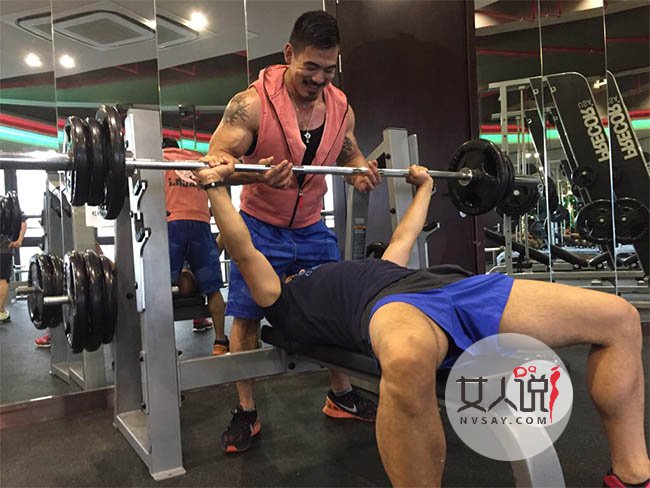
In resistance training programming, selecting an exercise such as the bench press or lat pulldown is only the first step; how an individual configures their grip width and hand orientation fundamentally alters the internal biomechanics and regional muscle recruitment of the movement. Modern electromyographic (EMG) research and kinematic analysis demonstrate that subtle adjustments in grip width can shift mechanical tension between different muscular compartments, enabling targeted hypertrophy and injury prevention.
From a functional anatomy and biomechanical perspective, widening the grip during a barbell bench press decreases shoulder flexion range while increasing horizontal abduction, thereby shifting greater mechanical emphasis onto the clavicular and sternal heads of the pectoralis major while reducing triceps brachii contribution. Conversely, a closer grip increases elbow flexion travel, placing higher mechanical demands on the triceps and anterior deltoids. Similarly, in vertical pulling movements like the lat pulldown, a wide pronated grip emphasizes the upper latissimus dorsi and teres major, whereas a narrow supinated grip increases biceps brachii activation and allows for a greater range of motion through the lower lat fibers. Understanding these biomechanical nuances allows lifters to customize their exercise variations to address lagging muscle groups or accommodate structural joint restrictions.
The broader fitness equipment manufacturing, gym design, and personal training marketplace places high commercial value on versatile exercise attachments, driving robust sales of multi-grip bar handles, cambered bars, and specialized pulldown attachments. Economic analysts note that commercial health clubs increasingly invest in diverse equipment options to meet consumer demand for targeted muscle isolation. Software developers continue to engineer interactive exercise libraries that illustrate precise grip variations and muscle activation heatmaps.
in parallel with ongoing kinesiology trials and electromyographic audits, international sports science committees subject all grip variation protocols to rigorous force-plate and kinematic evaluations. Transparency in coaching methodologies ensures that fitness professionals can accurately prescribe exercise variations tailored to individual anthropometry. Compliance officers verify that commercial gym equipment meets strict structural safety standards for multi-grip attachments. For strength coaches, bodybuilders, and fitness enthusiasts, mastering grip width biomechanics is essential for optimizing physique development. Experts recommend experimenting with varied grip widths during accessory work to stimulate balanced muscular growth. (For reference only)
Three things to carry forward
- Experimenting with varied grip widths during accessory work to stimulate balanced muscular growth.
This editorial is for general education and is not medical advice. If you have pain, an injury, a medical condition, or questions about supplements, work with an appropriately qualified professional.